sometimes marathons start with sprints
Finding alignment and improving customer experience through Practica Skill Sprints
Changing the way our public-serving institutions operate is long-haul work. Creating systems-wide change that translates to human-level impact takes patience, a few courageous leaders, and alignment around what needs to change.
Too often, our institutions operate in ways that don’t allow for teams to come together to find that alignment. Reporting structure, competing priorities, administration changes, or even the sheer scale of an organization can keep teams siloed and disconnected. But if different teams have a different idea of what needs to change—or, what the problem is—how can an organization truly expect to solve that problem?
For Wayne Metropolitan Community Action Agency, finding that alignment on a key priority began with a three-day Skill Sprint—a new Civilla learning program designed to build lasting human-centered design capacity for improving customer experiences.
connected leaders, connected clients
As one of Michigan’s largest human services organizations with more than 700 team members and over 100 programs, Wayne Metro serves thousands of residents a day online, over the phone, and in person. But folks who come in for one service often qualify for more. In fact, the average Wayne Metro client takes advantage of three services offered across housing, utility assistance, and other financial services.
The hard part is connecting residents to support beyond the initial program they came in for. Without an effective referral system that facilitates this connection, residents can fall through the cracks. This was creating a poor customer experience and often prompted a follow-up phone call, which added more work for staff.
Shama Mouzer, Wayne Metro’s Chief Programs Officer, knew that they needed to improve their internal referral system. But she also knew they needed to shift their approach to the problem if they wanted their solution to stick.
Identifying the right leaders would be essential to finding alignment across teams, especially since decisions that affect a resident’s journey to receiving services could be made by leaders and managers throughout the organization. Aligning on a solution that truly gets to the heart of the problem would mean bringing those decision-makers together, breaking down silos, and building a shared way of solving the problem.
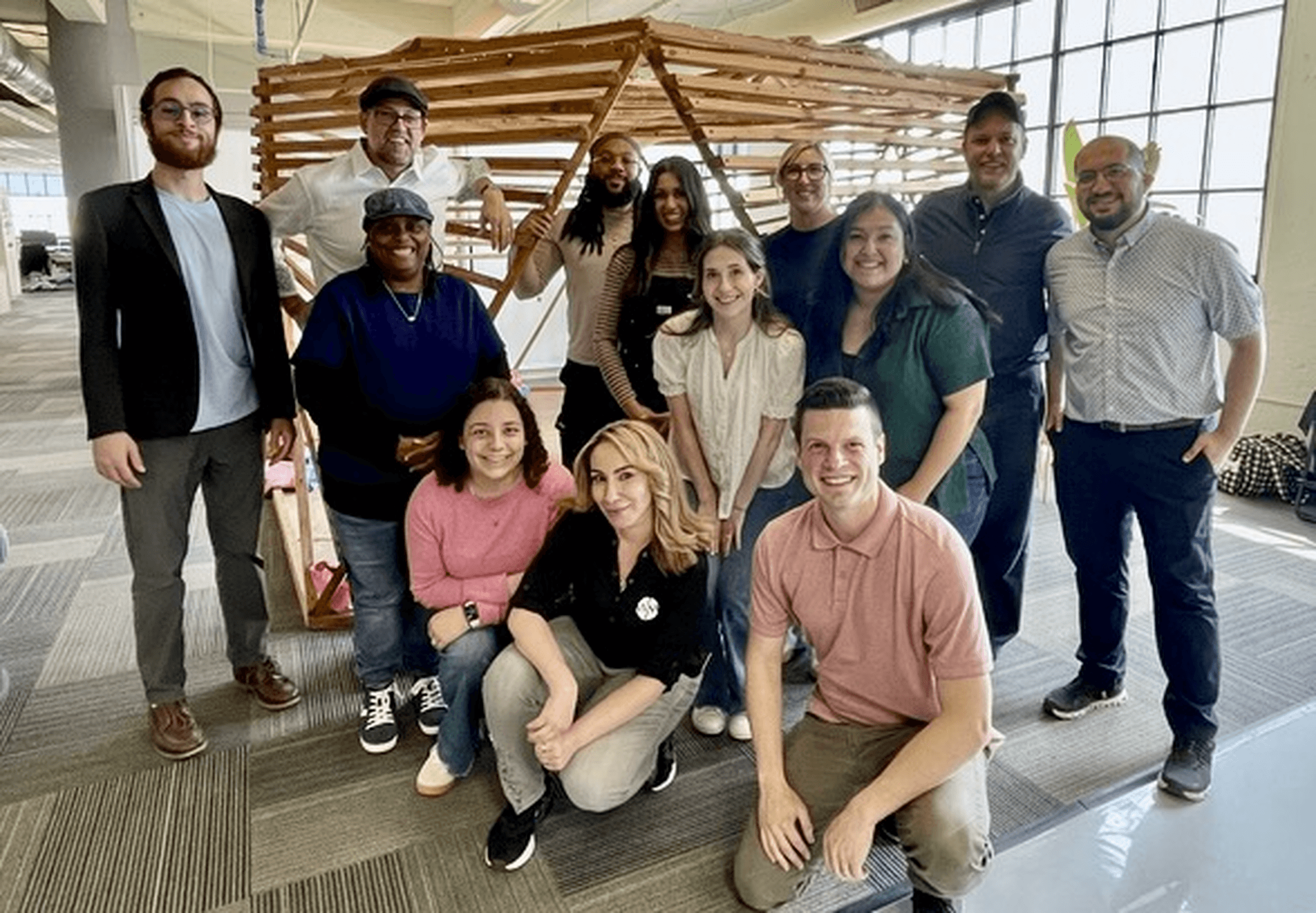
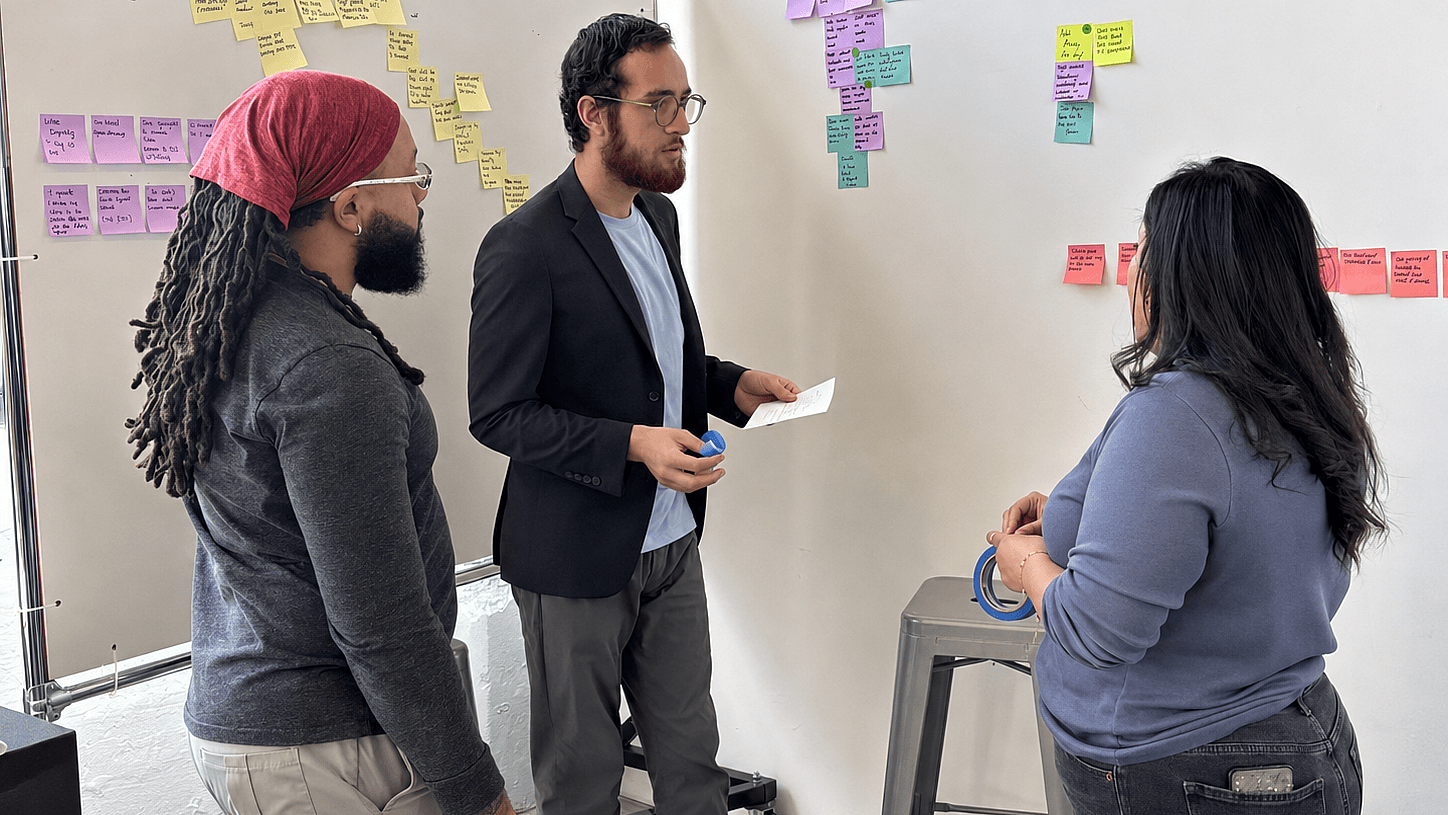
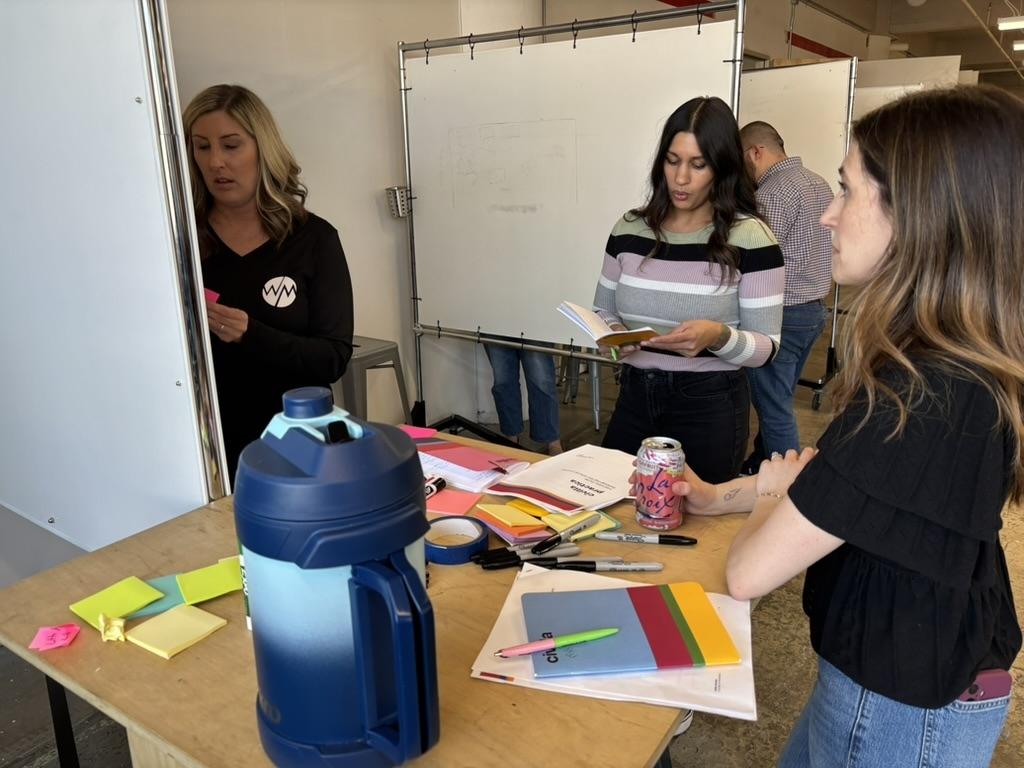
Over the course of their three-day skill sprint, the team brought together leaders from across Wayne Metro, including program leaders, members of the Innovation Lab, IT staff, and data specialists. Participants interviewed staff and clients, mapped the referral experience, uncovered pain points, and tested early ideas for how they could improve their internal referral system.
"[This skill sprint] pushed us to slow down, ask better questions, and go back to the basics of what human services should be."
Shama Mouzer, Chief Programs Officer, Wayne Metro
Because leaders from IT, data, program delivery, and innovation were all in the room, solutions could be shaped through multiple perspectives in real time. The result was not only progress on a real organizational challenge—kickstarting the improvement of their internal referral system—but a cross-functional team equipped to continue applying human-centered design to their organization’s challenges.
"This is just the start of a longer journey, one focused on creating a seamless, connected experience for the families we serve and building a more holistic approach across our work."
Shama Mouzer, Chief Programs Officer, Wayne Metro
practice makes progress
Civilla launched Skill Sprints earlier this year to help teams learn human-centered design while addressing real customer experience challenges they're facing. The idea was to bring a team together to develop a common language and skill set so they could design solutions that work for their customers. By developing and applying new skills together, teams make progress on current customer experience challenges while building the organization’s long-term capacity for human-centered design.
Wayne Metro’s experience points to the larger idea behind Skill Sprints: teams can make progress on the work in front of them while building skills for the work ahead.
They chose to customize their sprint to introduce the full human-centered design process to their leaders, but Civilla also offers sprints for teams to practice specific HCD skills. Here are some of the sprints we’ve designed for teams:
- Intro to Human-Centered Design: Build HCD knowledge through an applied, rapid HCD cycle.
- User Research: Understanding the User Journey: Build skills in qualitative user research and help teams learn directly from customers (external or internal).
- User Testing: Designing Services That Actually Work: Build practical skills in planning, conducting, and learning from user testing that answers real decision questions.
- Storytelling: Building Support for Change: Learn how to translate research and lived experience into stories that move decision-making.
Since each sprint is designed specifically for public-serving institutions, teams will walk away with practical skills and a shared framework they can start practicing immediately. Teams will also be given tools and templates developed over the last decade by Civilla’s designers for real design projects that they can continue using in their organization.
Changing the way our public institutions work is a marathon, not a sprint. But every long journey needs a place to begin. Skill Sprints give teams a chance to come together to make meaningful progress today while building the skills they’ll need for the work ahead.
"Thank you for the opportunity to refocus on putting the humanity in our work."
Skill Sprint Participant