answering the invitation
A letter to incoming state leaders

This week, a new generation of governors begins preparing to lead states across the country. The scale of this transition represents a remarkable moment in American government and an invitation to challenge the status quo of how public institutions serve people.
Incoming administrations will face enormous pressure from day one. H.R. 1 is placing significant demands on public benefit systems, and it would be understandable for leaders to focus their attention on mitigating those impacts. But moments of significant transition also create opportunities to address challenges that have persisted across administrations: complex systems, long waits, and heavy administrative burden on residents and public servants alike.
The invitation before these leaders is to do both: respond to the urgent demands of today while reimagining how government might work tomorrow.
Based on my 23 years in Michigan state government and Civilla’s 11 years of partnership with leaders and institutions, I have three pieces of advice for new agency leaders:
- Start by directly observing challenges
- Find a key domino and go big on an idea
- Know the environment and assemble a team that gets things done
see it for yourself
In the early days, there will be pressure to move immediately, to transform systems before assessing where things are, but it’s better to deeply understand an issue before working to address it. Cabinet- and department-level leadership should spend time directly observing residents and staff as they navigate the challenges of a program, department, agency, or state. Ask those closest to a problem what they’re trying to accomplish. See what gets in their way. Ask them how it feels to experience that system or process.
Sitting down with folks will bring insights and motivation that differ from reading a report or listening to a presentation. In all the talk about what governments can and should do, the people actually administering and accessing services are often forgotten. But that is where leaders will find both the wisdom for how to address intractable problems and the courage to see the work through.

Sometimes the best place to observe is where people already go for help. When I was at Michigan’s Unemployment Insurance Agency (UIA) during the COVID pandemic, my team and Civilla found insights into our own systems in Facebook groups that popped up all over the state. People were suddenly unemployed and couldn’t navigate the state’s system on their own, so they turned to the places that were familiar to them. And their neighbors with a little more experience stepped up to interpret letters, navigate websites, and share links. The story of the change Civilla and UIA were able to achieve was made possible by bringing all those voices together and honoring their complaints alongside their wisdom.
go big
Nearly a century ago, Supreme Court Justice Louise Brandeis described states as laboratories of democracy, places where courageous leaders could experiment with new approaches to society’s most pressing challenges.
That proposition feels particularly relevant today. States have an opportunity not simply to experiment with new policies, but to fundamentally rethink how government works, how institutions serve people, and how public systems earn trust.
Many state systems, from unemployment insurance to public benefits, were built for an economy that no longer exists. They were built for paper forms and for people with a stable address and a W-2 job. Incremental improvements have helped adapt pieces of those systems to today’s society, but many public-serving institutions still fall far short of public expectations.
As a new generation of governors prepares to lead, states have an opportunity not simply to experiment with new policies, but to fundamentally rethink how government works, how institutions serve people, and how public systems earn trust.
In Michigan, Civilla and our partners demonstrated what becomes possible when we rethink how government works. Together, we redesigned an integrated benefit application that was 80% shorter and 42% faster to process. Even with that change, the benefits process is still burdensome for residents and staff.
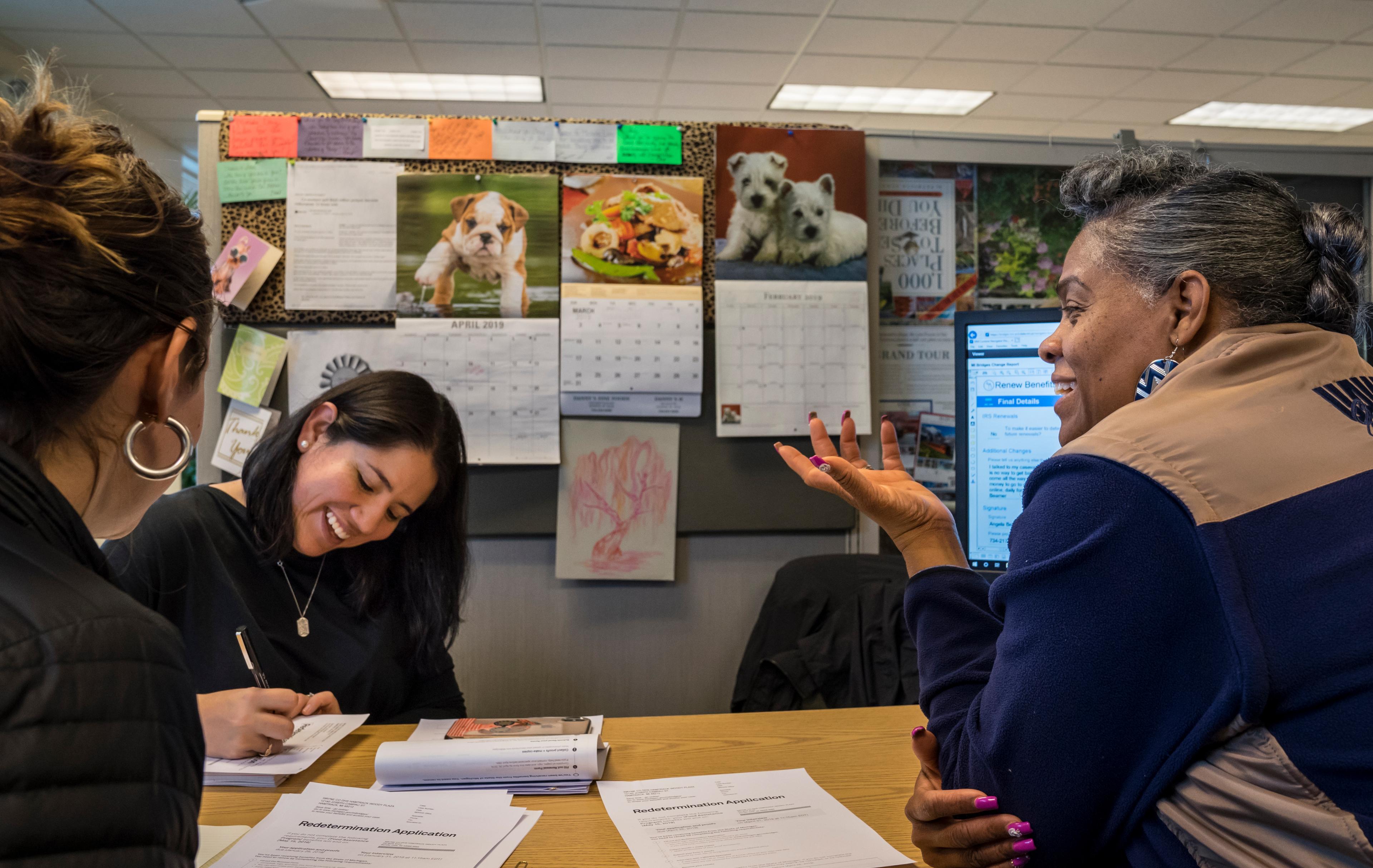
Imagine states where eligibility determinations happen in a day and existing data systems work together so residents only have to provide information once. Imagine proactive programs that connect people to benefits they qualify for without an application. Imagine policies that reduce administrative burdens on public servants rather than adding to them, and rules designed to make services easier to deliver and access. Even something as straightforward as states following the lead of governors like Wes Moore in Maryland by issuing an executive order requiring agencies to communicate in plain language, with clear instructions and actionable next steps, could be a powerful first step.
The next chapter of American government may well be written in the states. Leaders who can move beyond promises and aspirations to tangible improvements that provide a light, connected, and compassionate experience could begin to win back public trust.
the right team
Accomplishing ambitious ideas in large institutions requires leaders to find strong sponsors and partners, both within and outside your organization. Leaders need partners who understand how to responsibly buy, build, and use technology and people who know how to bring a human-centered design approach to research, decision-making, and implementation.
New leaders also need allies in other teams and departments who have decision-making authority and an ability to think creatively about how to get to yes where other teams have stalled. No matter the project, someone has likely had this idea first or even pursued a fix. Ignoring that history can create distrust and leave behind valuable learnings. Find the folks who came before, learn from their experience, and invite them into what’s next.
what story will you tell?
At the end of a successful project or tenure, people will inevitably ask leaders how it all came together. Stories of individual heroics, of the person who stepped in and put out the fire, may resonate for a time. But the stories that endure are those of people who came together across differences, confronted root causes, and built something that would last beyond any one leader or administration.

As a new generation of leaders considers the invitation before them, I would encourage them to think about the story they hope to tell when this season is over. What will be different because they led? What changes will outlast their administration? What relationships will they have built, and what new ways of working will they leave behind? And when they look back on the long hours and difficult days, what will have made it all worthwhile?
At Civilla, we’re dreaming big about what’s possible for government and the people it serves. We hope state leaders will accept the invitation to do the same. For those ready to imagine what we might build together, we’d love to hear from you. Reach out to us at hello@civilla.org – let’s get to work.
– Julia Dale